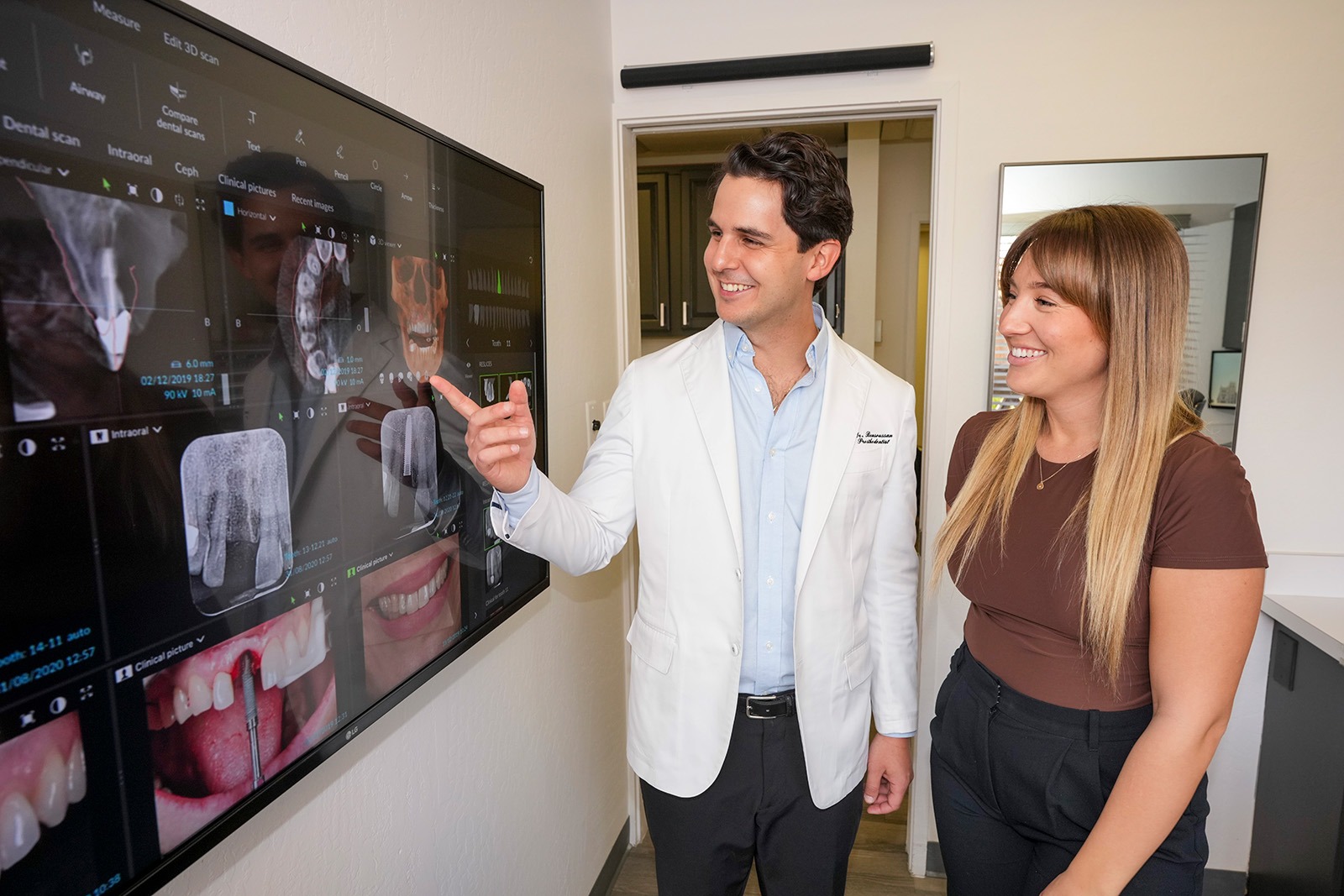

Non-toxic materials for better oral health
The materials you put in your body can make a difference to your oral and systemic health. Biocompatible Dentistry ensures that at all stages of treatment we are using non-toxic, safe, and carefully selected materials to support lasting wellness.
No Metal Fillings
Traditional amalgam fillings contain mercury, silver, tin, copper, and zinc. Some of these metals can cause allergic reactions or sensitivities, and mercury can be released as a toxic vapor.
Dr. Bensoussan only uses safe, biocompatible, tooth-colored material to fill a tooth, ensuring natural appearance, comfort, long-term protection, and a healthier alternative for patients seeking modern dental care without exposure to harmful metals.
Safe Amalgam Filling Removal
Dr. Bensoussan provides amalgam filling removal using a rubber dam to isolate the patient from mercury vapor and powerful suction to quickly remove the vapor and amalgam particles. He follows strict safety protocols during every procedure to protect patients, reduce exposure risks, and ensure a smooth, efficient transition to healthier restorative materials.

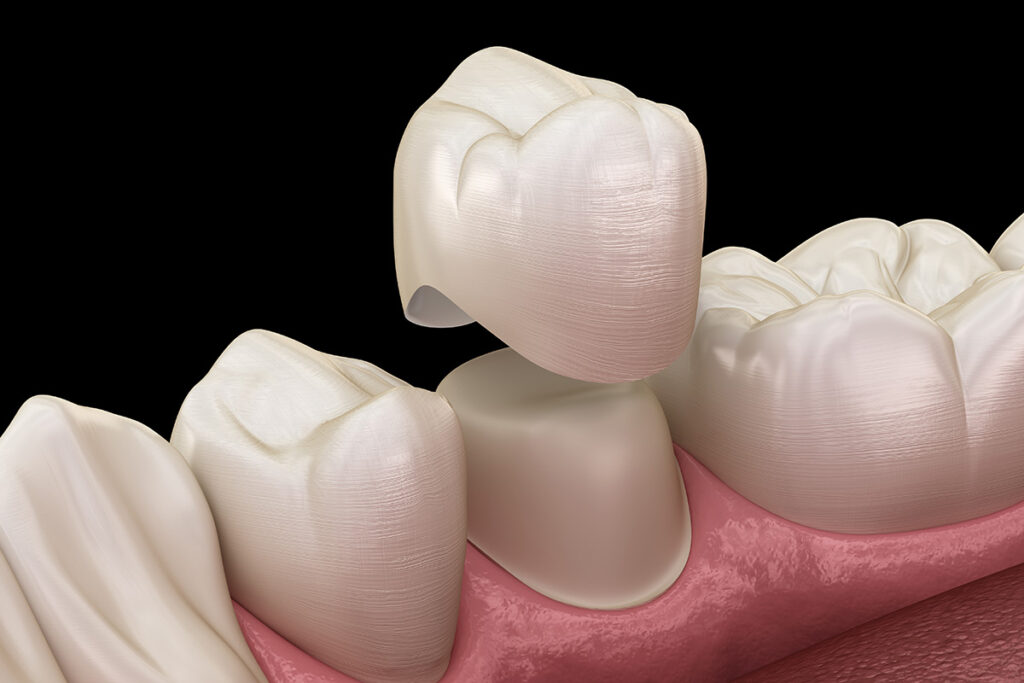
Metal-Free Crowns & Bridges
Various metals can be used in crowns that are fused to metal, including gold, nickel, chromium, and cobalt. These metals can be a source of allergic reactions, especially nickel. Nickel is commonly used to fill crowns due to its affordability.
Zirconia Dental Implants
We offer titanium and zirconia dental implants. Titanium is itself considered a biocompatible metal and rarely causes adverse reactions. Some patients opt for zirconia implants, a strong, fully biocompatible ceramic alternative that provides excellent durability, natural aesthetics, and an option for those wishing to avoid any type of metal. Both implant types are carefully selected to suit individual needs, offering reliable function, long-term stability, and peace of mind for patients seeking safe, modern solutions for missing teeth replacement.


BPA-Free Office
BPA (bisphenol A) is a chemical compound used in plastics. Studies have shown that BPA can leach out and cause health effects such as hormone disruption. Some dental materials contain derivatives of BPA that can leach out over time into the oral cavity.